“Over de schutting” | Oratie gehouden op 1 april 2019 te Leiden ter gelegenheid van de TPR Wisselleerstoel (5)
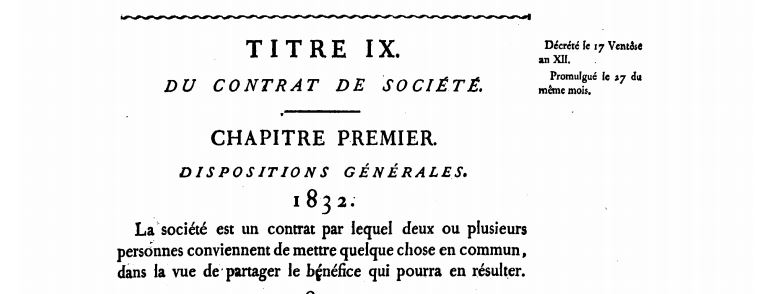
In het Belgische vennootschapsrecht staat het winstoogmerk centraal, ook na de invoering van het WVV (zie art. 1:1). De vennootschap heeft een plicht om gericht te zijn op uitkeringen, hetzij bij leven door middel van dividenden of andere uitkeringen hetzij door middel van een liquidatie-overschot.
In de 19de eeuw werd aan dit uitkeringsgebod zeer streng de hand gehouden. Het was een wapen tegen gebruik – in de toenmalige perceptie van de liberale juridische elite: ‘misbruik’ – van de vennootschapsvorm voor non profit doeleinden, in het bijzonder kerkelijke gestichten zoals kloosters of colleges (zie hier mijn rede hierover in het Hof van Cassatie bij de opening van het gerechtelijk jaar in 2012). Dit werd beschouwd als een terugkeer naar de mainmorte, de dode hand, van voor de Franse revolutie.
De Universiteit van Leuven, bijvoorbeeld, verloor haar rechtspersoonlijkheid in 1797 bij de inlijving van de zuidelijke Nederlanden bij Frankrijk en kreeg die pas terug in 1911. De huidige KU Leuven – met als officiële naam “Katholieke Universiteit te Leuven” – is overigens nog een andere rechtspersoon dan die uit 1911 en werd door de oude Universiteit opgericht bij de splitsing in een Nederlandstalige en een Franstalige universiteit. De juridische splitsing bestond nog niet. De oude Universiteit uit 1911, “Université Catholique de Louvain – Katholieke Universiteit te Leuven”, bestaat nog als rechtspersoon. De fonds de commerce van deze oude Universiteit werd overgedragen aan de twee opvolgers. (Er zijn me geen berichten bekend van verhaalsbenadeling bij deze nochtans delicate operatie.) Continue reading “Het winstoogmerk als onvermoed instrument van schuldeisersbescherming”
 Corporate Finance Lab